Highlights
Skill level
Spoken Languages
Language of Instruction
Program
Pre-application requirements
Anyone can join. If the participants have some basic understanding of yoga classes, then they can receive the knowledge easily. The participants must have proper access to the internet and useful devices that help them follow the program conveniently.
Certifications
Students who complete their training are eligible to register with Yoga Alliance as Registered Yoga Teachers (RYT®).
How the training works
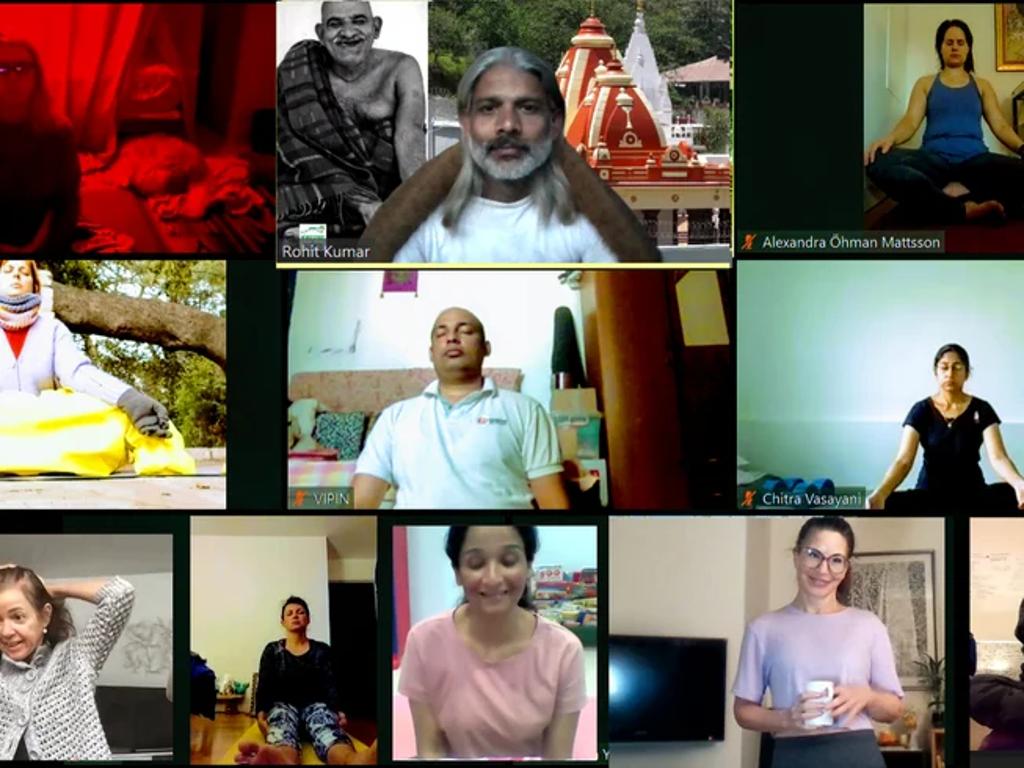
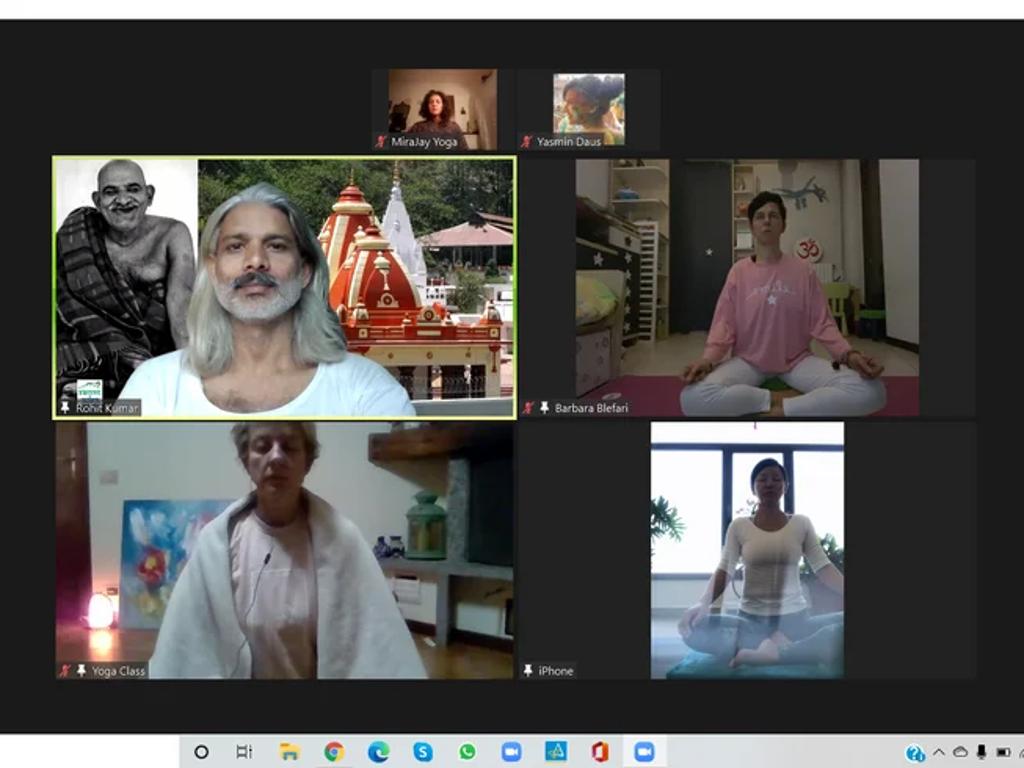
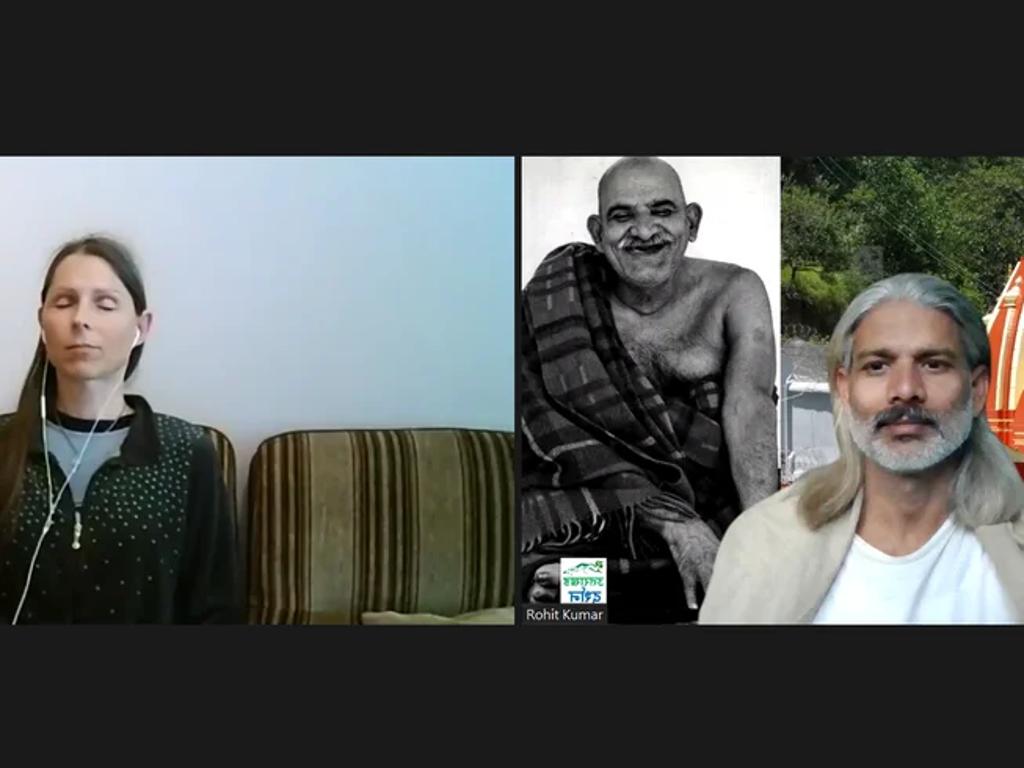
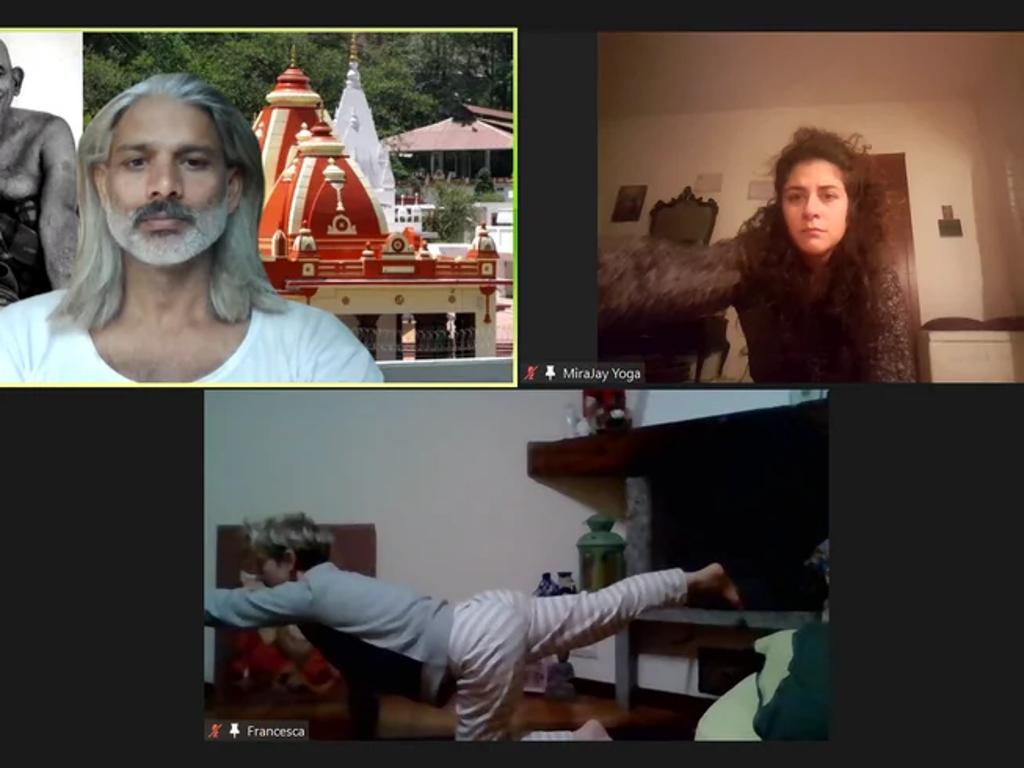
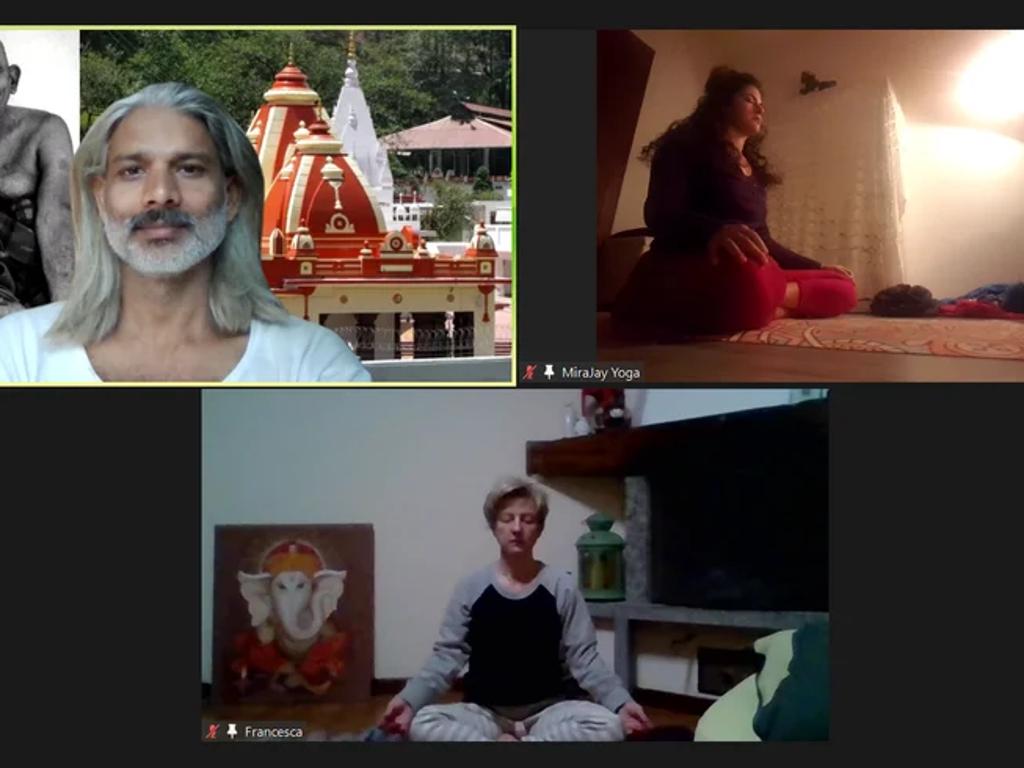
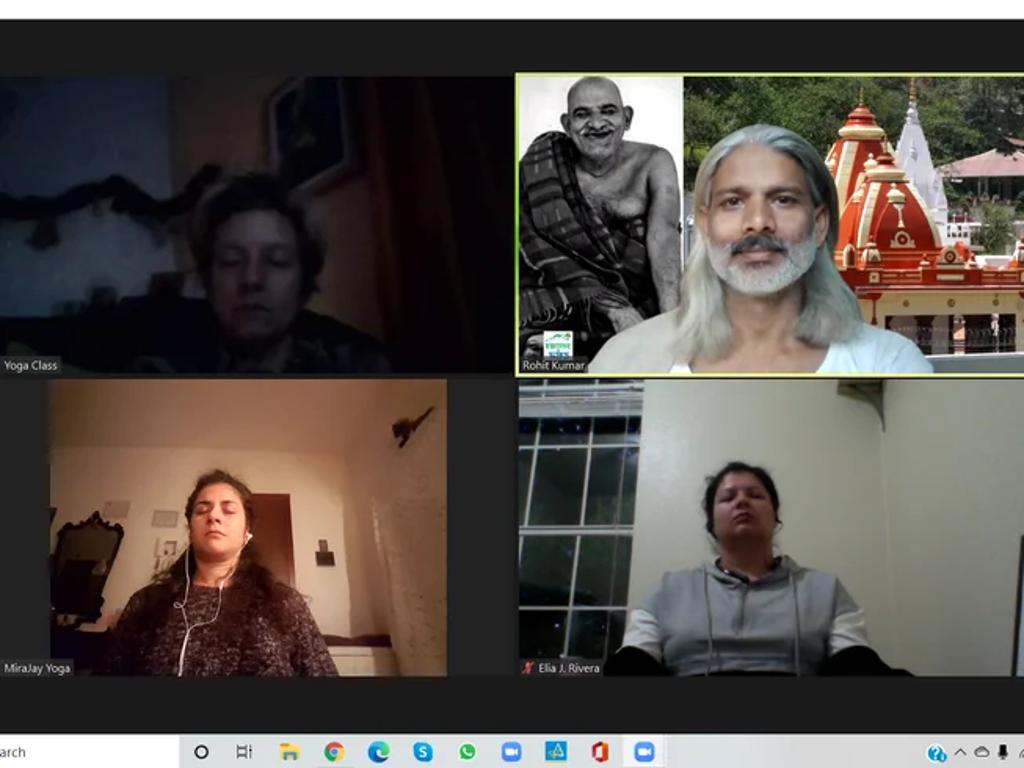
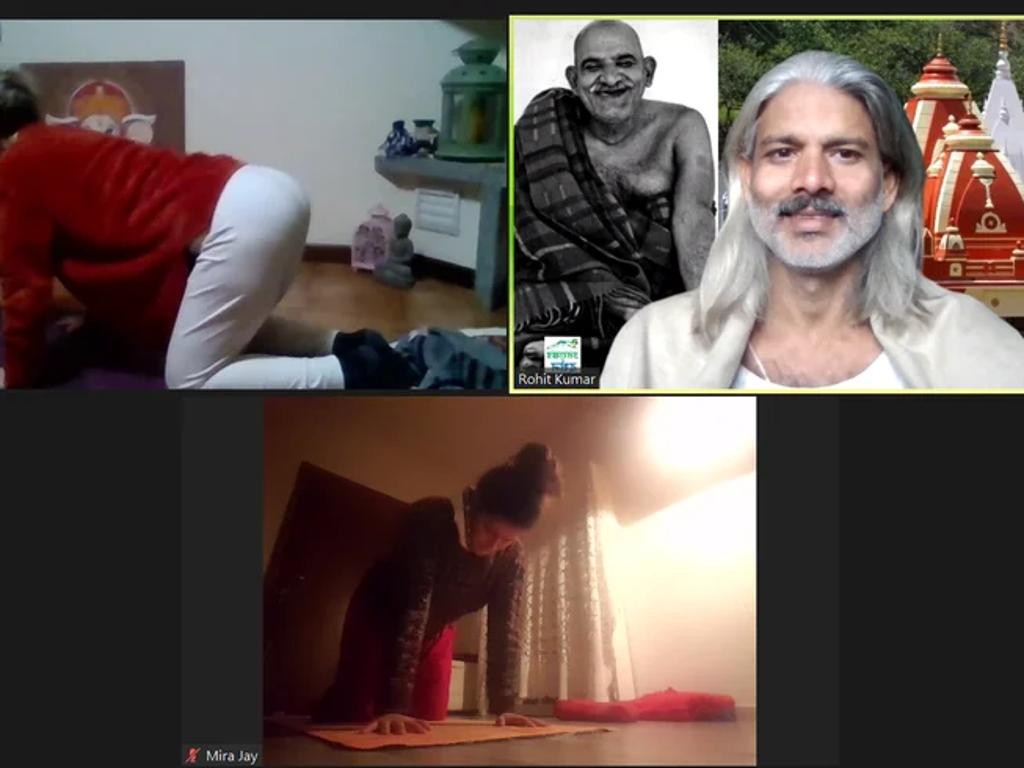
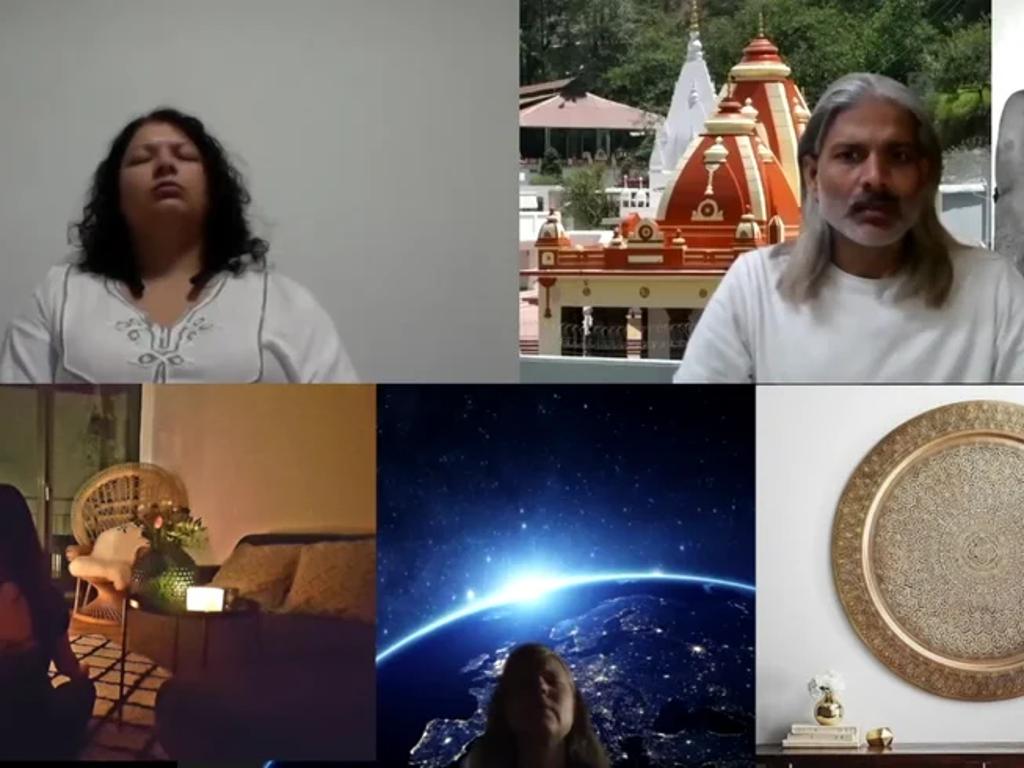
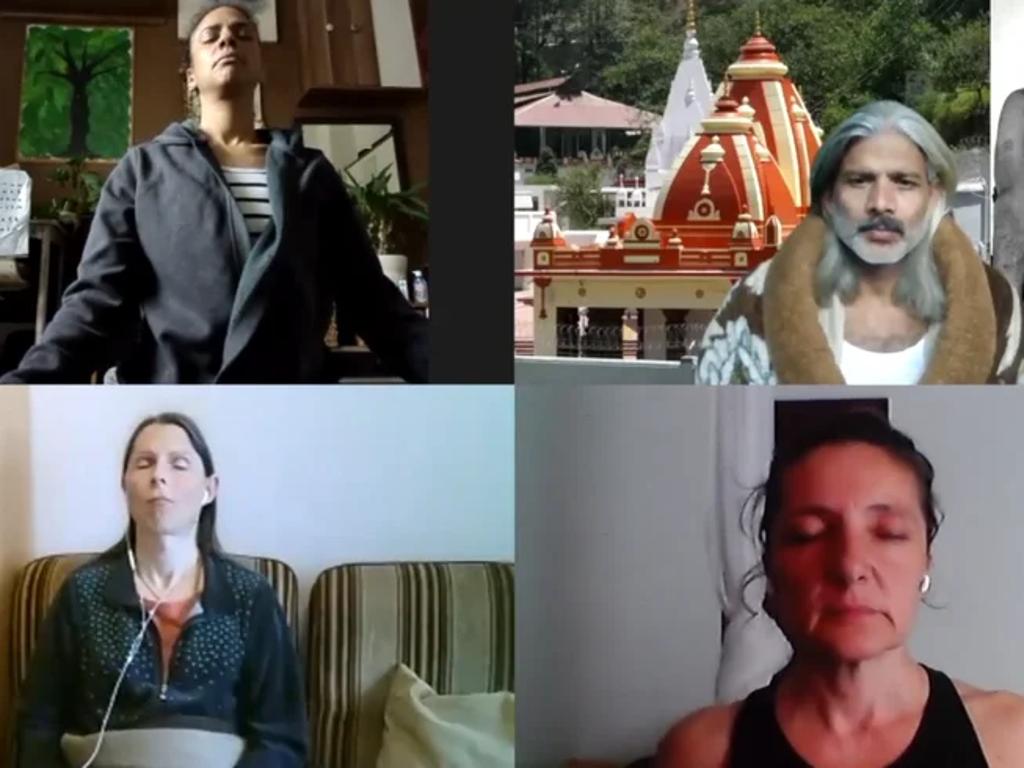
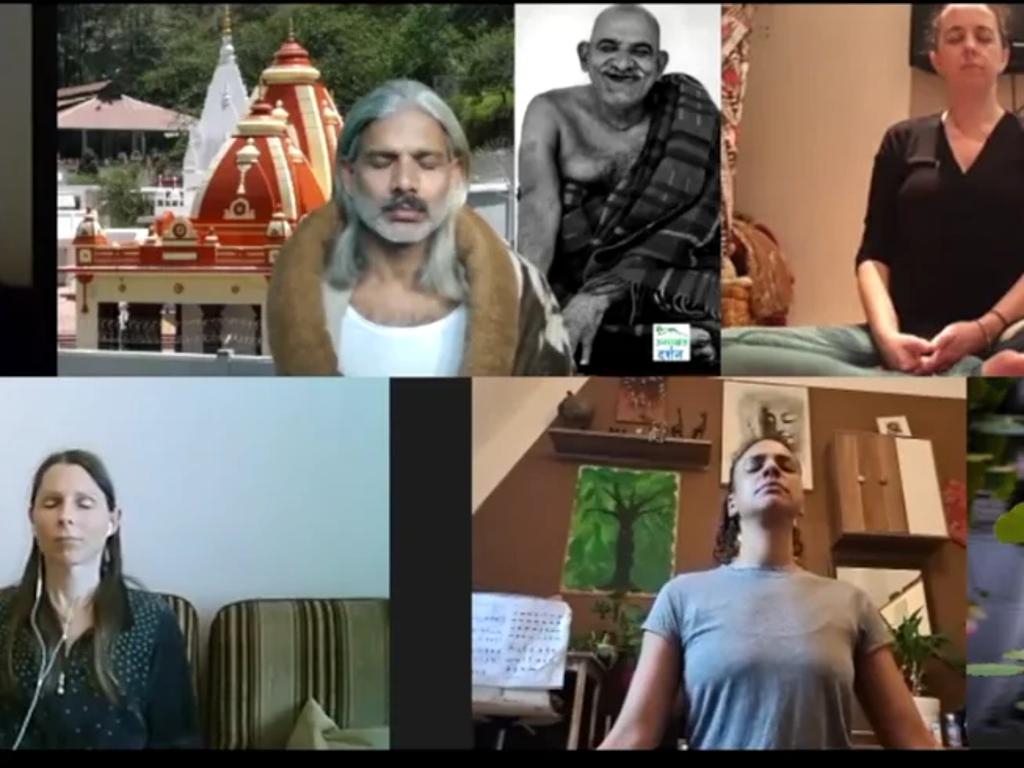
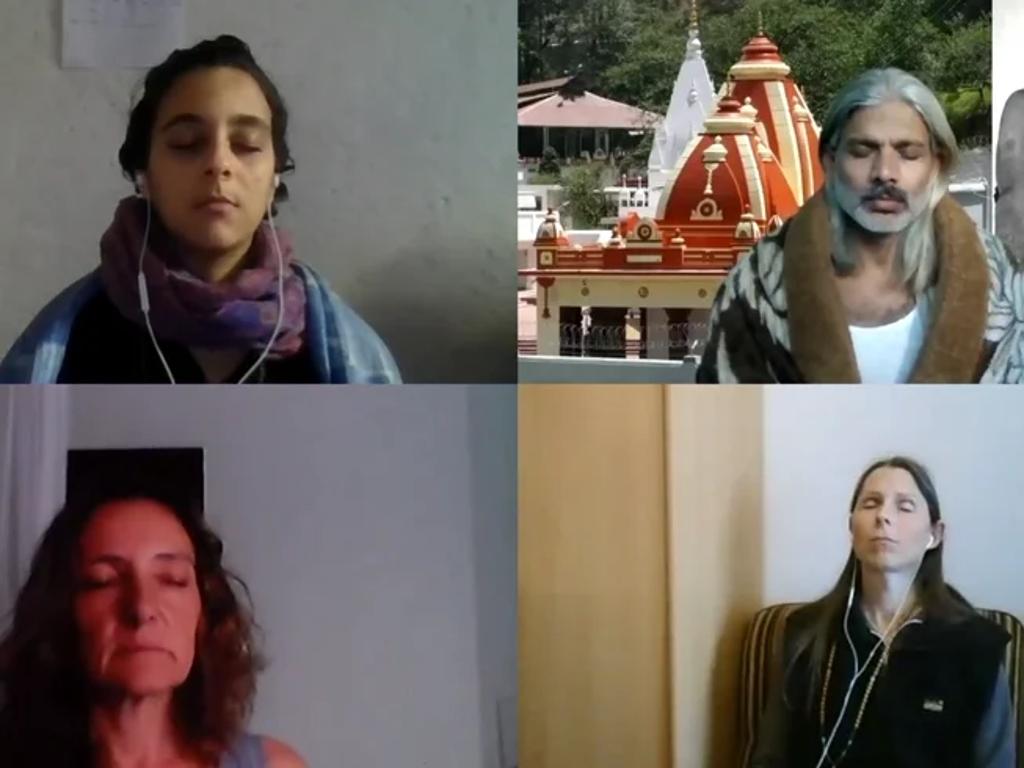
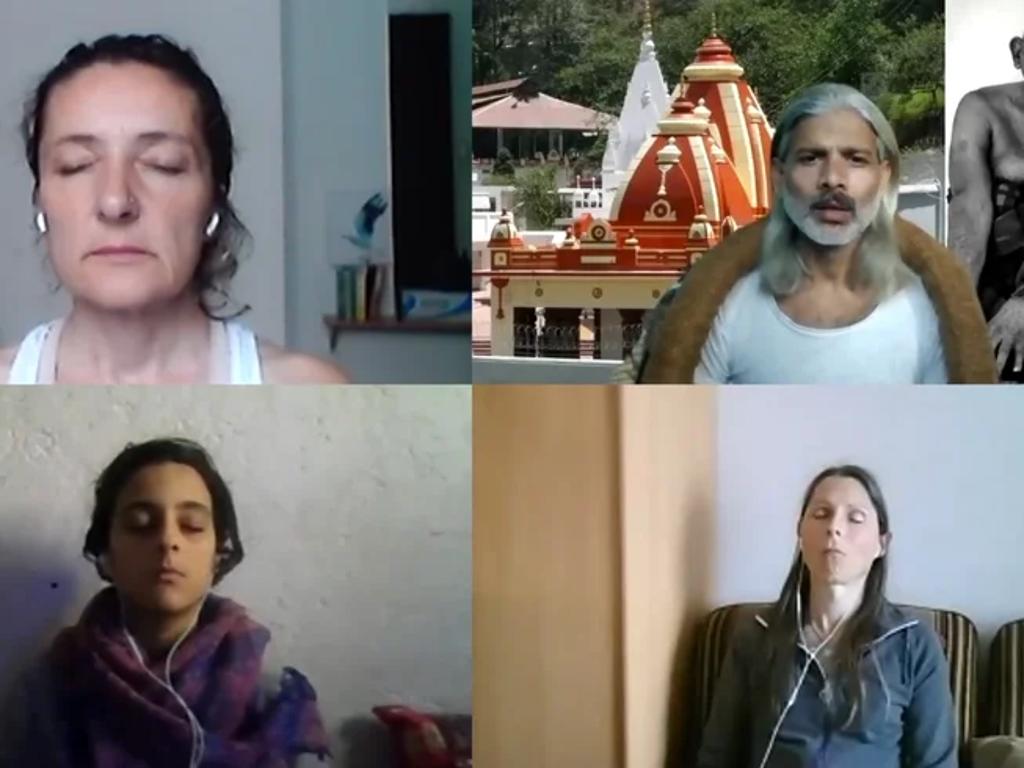
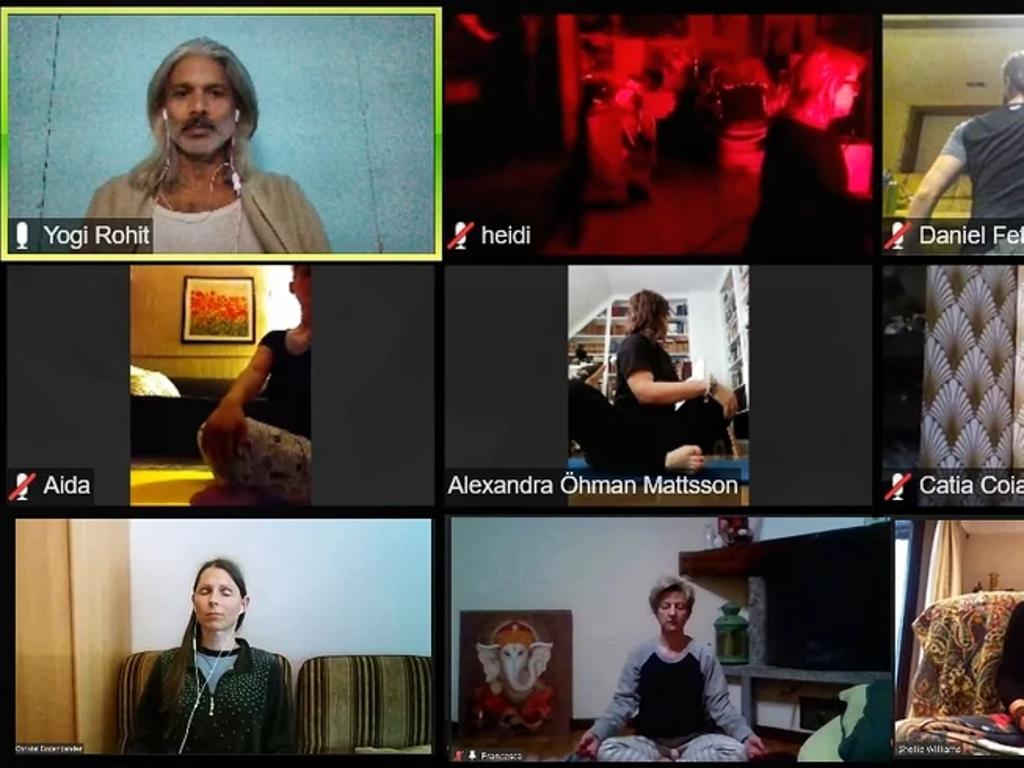
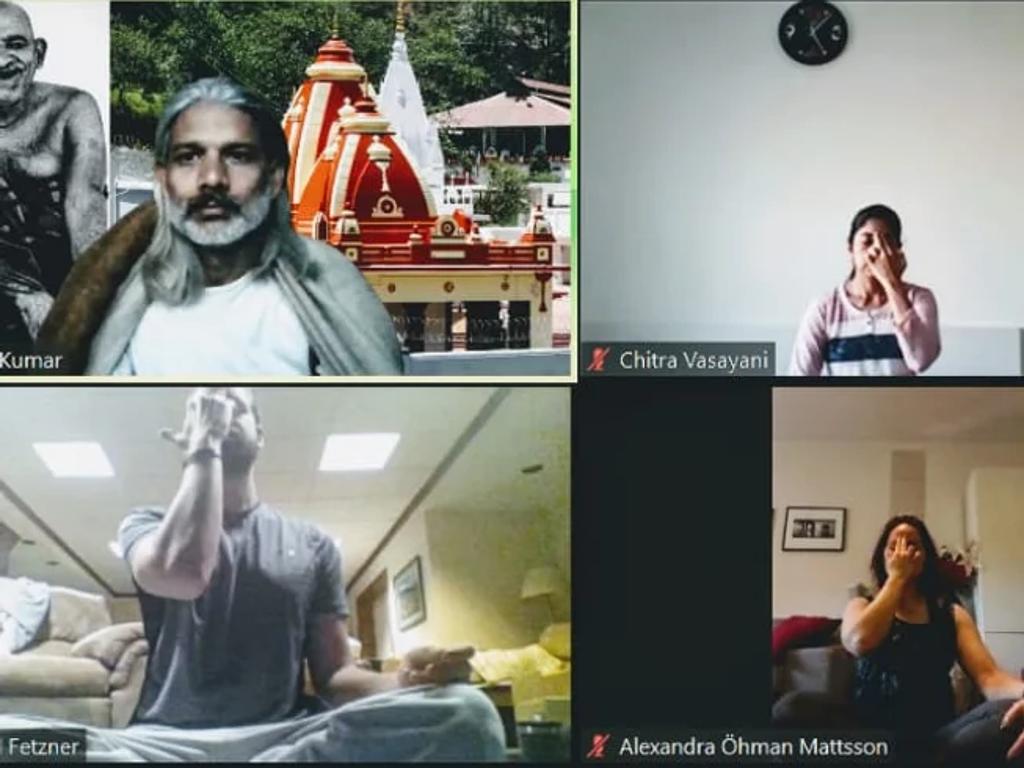
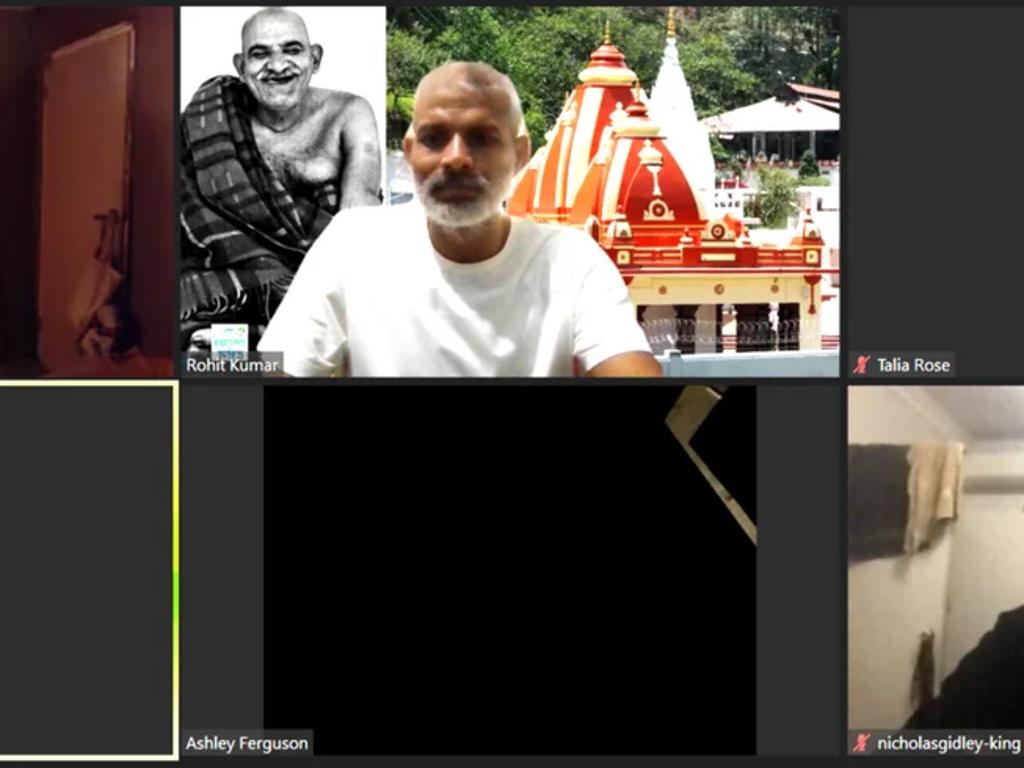
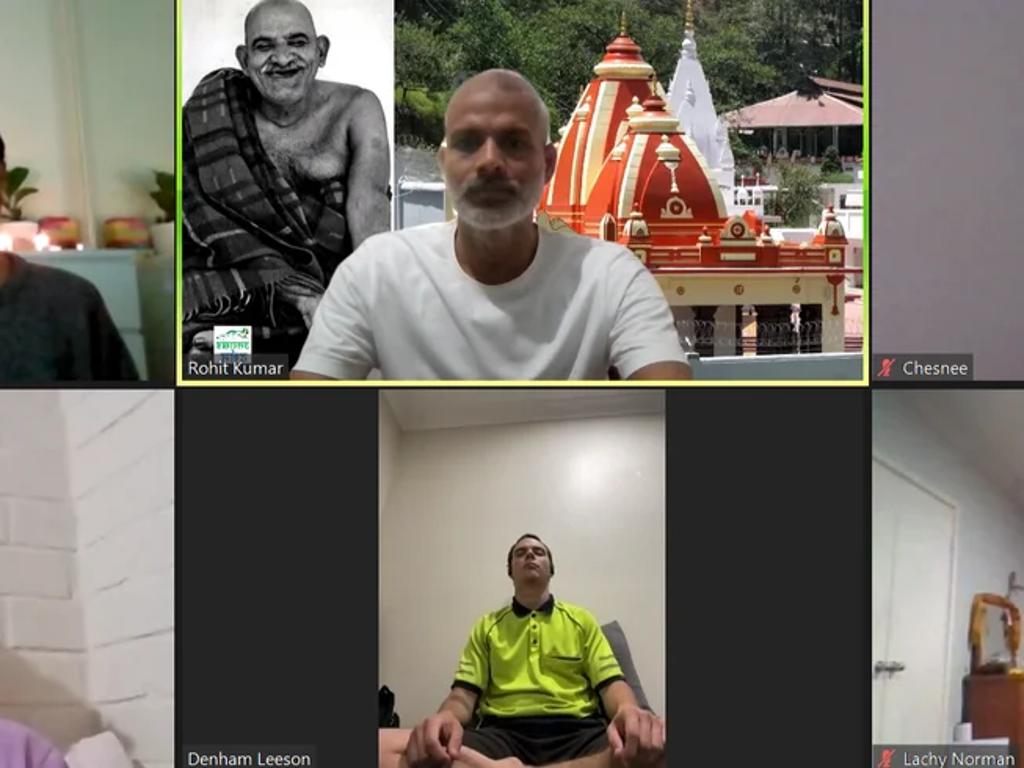
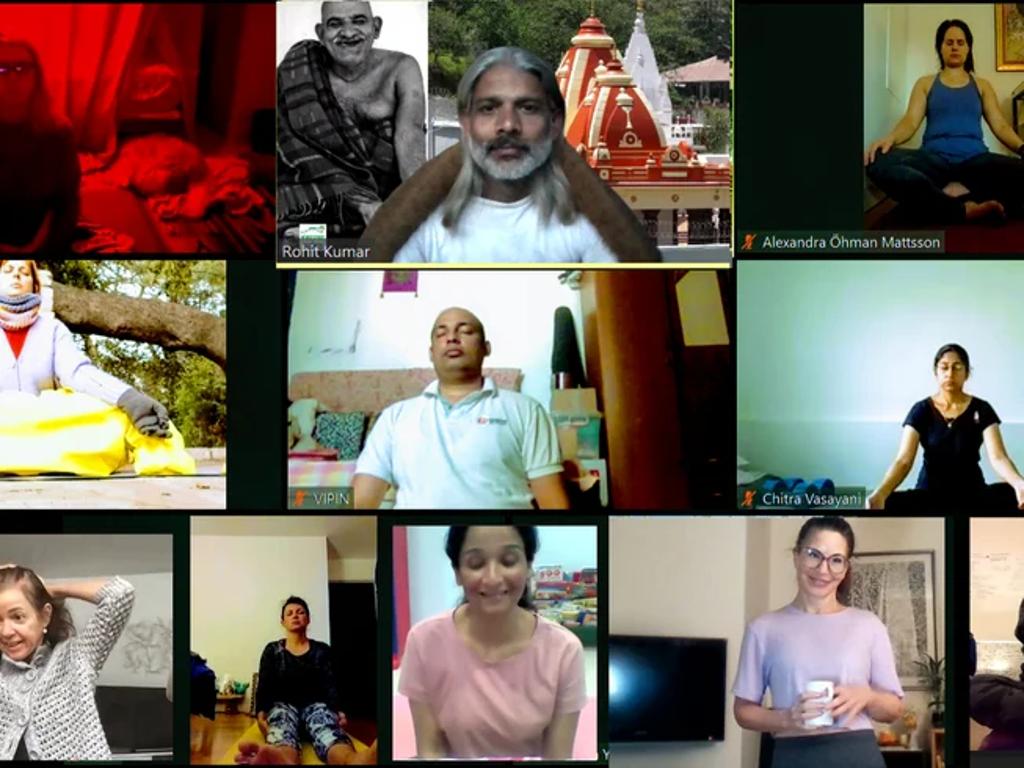
- Medium of service – Via Zoom and other available online mediums such as Facebook, Google, etc., whichever works apt at the time.
- Contact hours (live): 121
- Non-contact hours: 179 (includes self-study, assignments, and videos)
- The classes are arranged according to the individual course.
- The link for the concerned session for the complete duration with timings is shared with the participants before the course begins.
- Rohit Kumar himself and/or other assistant teachers are available at the scheduled time for the class.
- Please be ready with your electronic devices active and aptly placed.
- As soon as the exact time arrives, the teacher begins the session.
- There is sufficient space for raising wise questions and proper interactions.
The teaching team will be grateful for your patience in the event of any unexpected issue with the internet and the like.
Timing of sessions (IST/GMT+5:30)
Tentative schedule
- 06:30 - 08:00 Hatha yoga asana, pranayama, kriya, and relevant practices
- 08:00 - 09:30 Anatomy and teaching methodology
- 16:30 - 18:00 Philosophy and meditation
Course Information / Syllabus / Curriculum
The course incorporates a variety of topics. All these topics come under the following heads:
1. Techniques, training, and practice
It incorporates several practices of Hatha yoga which students will study in the yoga teacher training course. They are:
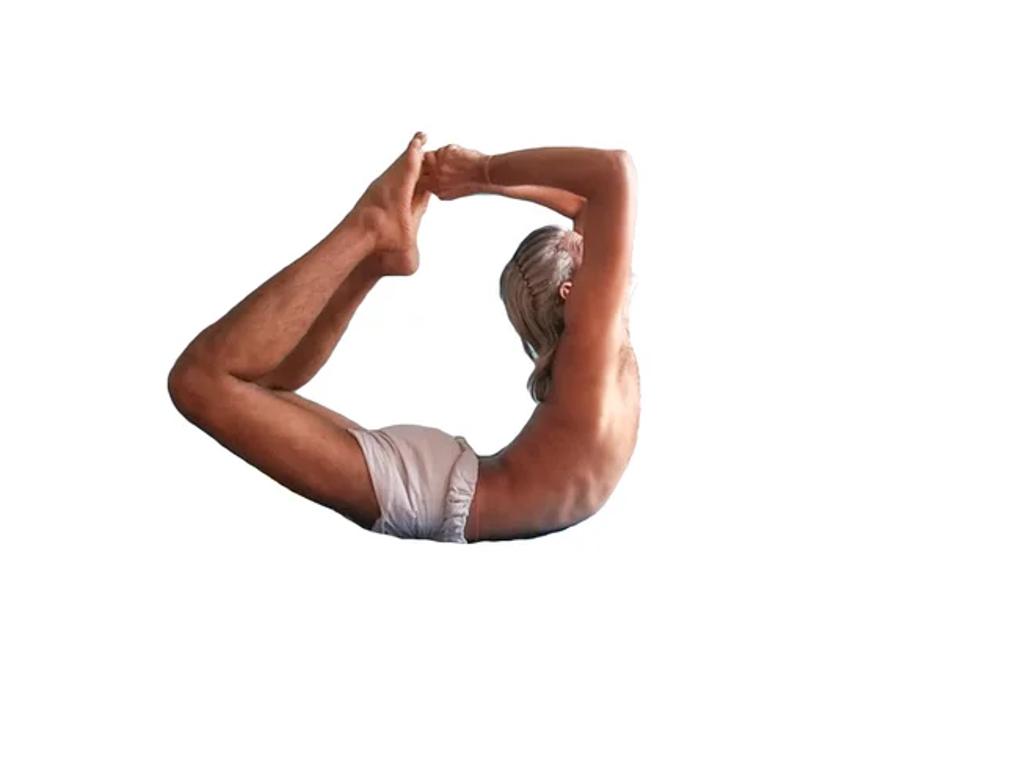
- Asana - Postures of Hatha yoga such as standing, supine, prone - (backward, forward, spine twist), inversion, and balance at intermediate and advance levels
- Pranayama - Udar Svashan, Vaksha Svashan, Griva Svashan, Yogic Svashan, Kapalabhati, Bhastika, Nadi Shodhana, Sheetali, Sheetkari, Bhramari and Ujjayi. In addition, altogether 12 classical pranayama.
- Mudra - Specific, selected, and important gesture to affect the energy in the body.
- Bandha - Important locks to block the flow of energy in the body (Jalandhara Bandha, Uddiyana Bandha, and Moola Bandha).
- Shat-karma - Purificatory practices in yoga (Laghu Sankhaprakshalana, Vaman, Jala Neti, and Sutra Neti).
- Meditation - Intermediate practices of Yoga Nidra, intermediate Kaya asthairyam (stillness of body), intermediate awareness of breath, Antarmouna (inner silence) with conscious creation and disposal of thought and awareness and disposal of spontaneous thoughts, Japa (chanting) of sacred mantra or holy syllables with rosary, Ajapa Japa (spontaneous chanting) with awareness of frontal psychic passage and awareness of frontal psychic passage with SOHAM, Fundamental Dharana (concentration) practices and concentration with sacred mantra, Trataka (gazing) and Group meditation for universal peace and harmony.
2. Teaching methodology
This is a combination of complex topics such as designing yoga class, how to teach different practices of yoga, how to be a good yoga teacher, ethical guidelines, developing communication skills, time management, principles of demonstration, assistance, awareness, correction, styles of teaching, specific needs of individuals in a yoga class and business aspects of yoga teaching, etc.
3. Anatomy and physiology
- Modern human anatomy and physiology - Overview and additional details of (skeleton, muscular, digestive, respiratory, cardiovascular, endocrine, and nervous system), urinary system and reproductive system (female and male), immune system, important joints and their movements in different asana and important muscles and their movements in different asana.
- Yoga human anatomy and physiology - discussion on the human body according to Hatha yoga and its relation to the study of the human body in modern study regarding three bodies, five elements, five Kosha, Prana, mind, five sense organs, and five motor organs, Nadi, Chakra, and Kundalini.
- Holistic approach of yoga - Learning how the system of Hatha yoga needs to be incorporated for the human well-being of body, mind, emotion, and spirit.
4. Yoga philosophy, lifestyle, and ethics for yoga teachers
Overview of the fundamental topics from 200-hour Hatha yoga teacher training course, Sristi (creation) and Pralaya (dissolution), concept of Dharma, Dharma and Karma relation, religion and its true essence with reference to the comparative study of different faiths of the world, Hinduism - a way of living with reference to other ism’s as ways of living, Reflection on the life of great Gurus of different parts of the world with special reference to Swami Vivekananda, Bhakti Yoga as the Yoga of Kaliyuga, yogic lifestyle, ethics for a yoga teacher, ethical guidelines as an individual and as a yoga teacher and Yoga Sutra of Patanjali (important topics from all four chapters - Samadhi Pada, Sadhana Pada, Vibhuti Pada, and Kaivalya Pada).
5. Practicum
Practice of teaching different practices in groups as the lead instructor, observing and assisting while others teaching, focusing on specific practices, compiling feedback, etc.
6. Suggested yoga books for the training:
- Asana Pranayama Mudra Bandha - Swami Satyananda Saraswati
- Raja Yoga - Swami Vivekananda or
- Four Chapters on Freedom - Swami Satyananda Saraswati
- Yoga Darshan - Swami Niranjanananda Saraswati
- Anatomy and Physiology - not specified
Instructors
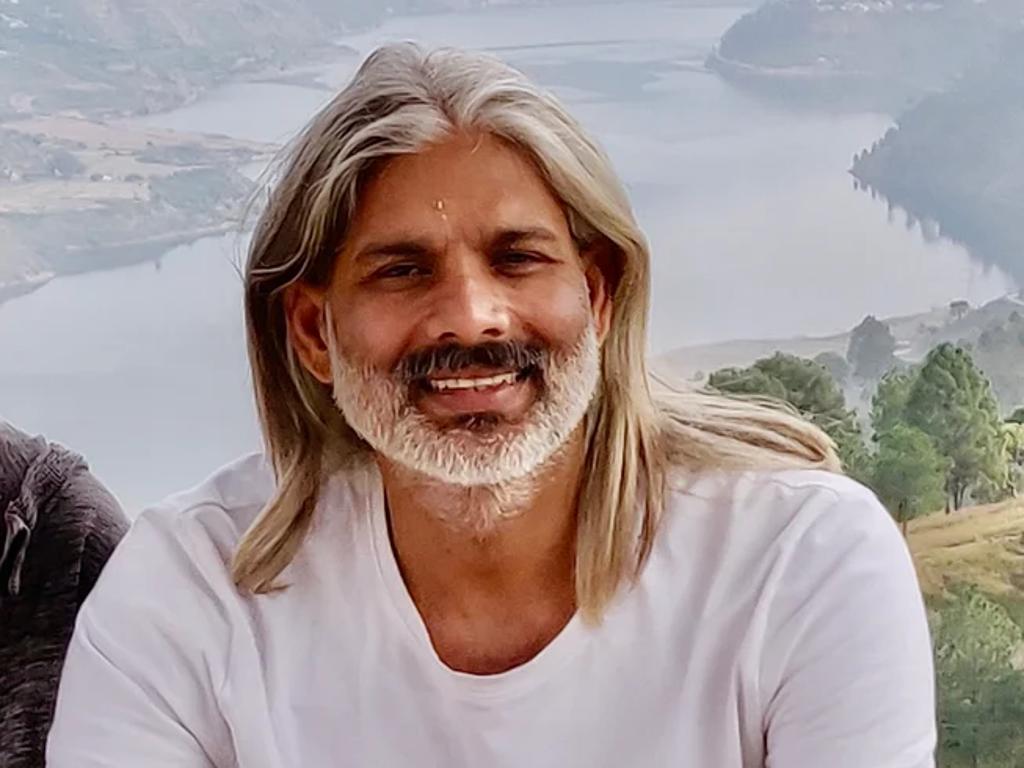
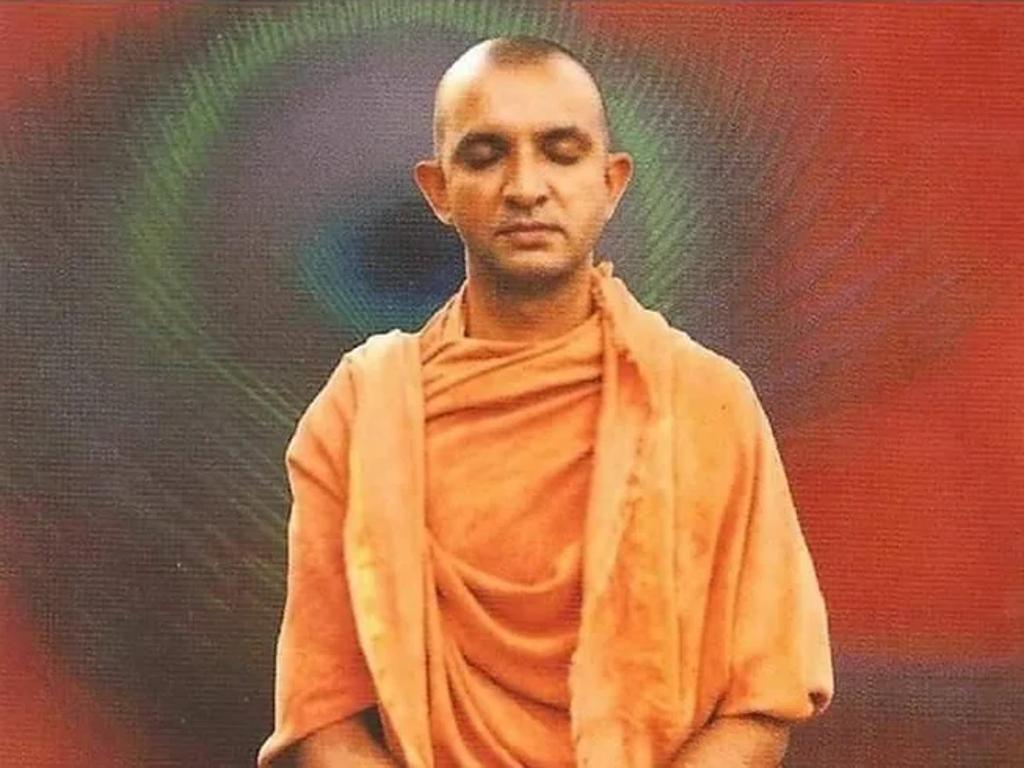
Jeet is a passionate and experienced Yoga teacher with over a decade of personal practice and nine years of teaching experience. Beginning his yogic journey at the young age of twelve to heal his partial deafness and manage a hyper-acidic body, Jeet discovered the transformative power of Yoga. Through consistent and dedicated practice, he not only regained his hearing but also restored balance to his body, marking the start of a lifelong commitment to the yogic path.Jeet holds a Master’s degree in English Literature and is a Gold Medalist in Master’s in Yoga.Hide
Accommodation
Check-in Time: Check-out Time:
Location
Food
What's Included
What's Not Included
Reviews
Awesome Welcome to BookYogaLifeRetreats
All journeys begin with a first step